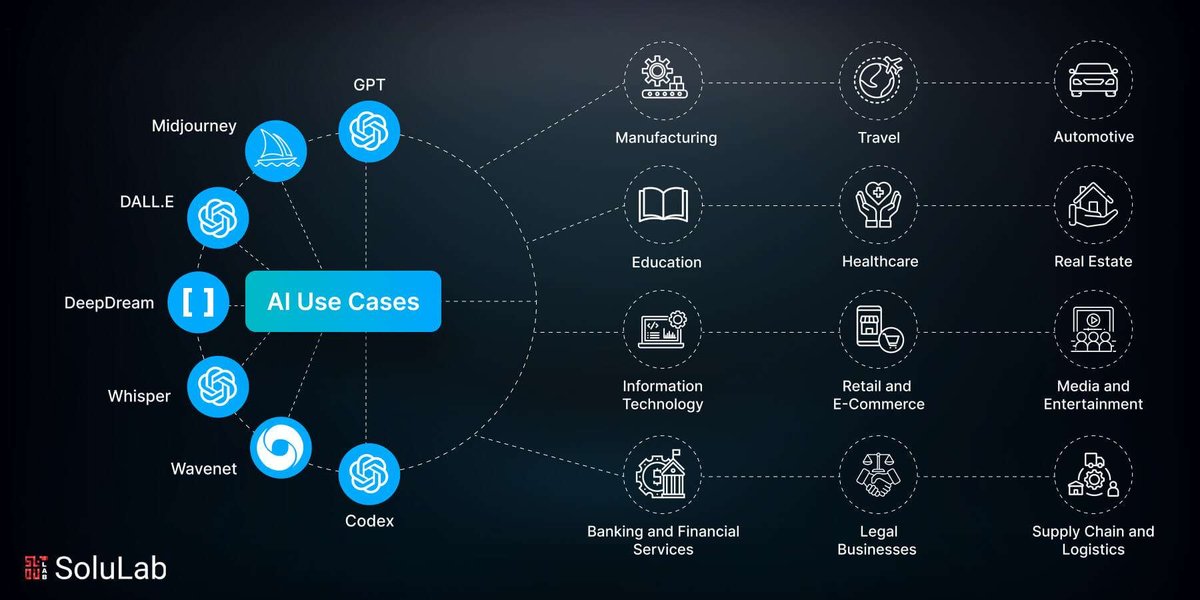
The way we communicate is undergoing a profound transformation, and at the heart of this shift lies artificial intelligence. Far from being a futuristic concept, AI is already an indispensable co-pilot, especially when it comes to crafting written correspondence. In 2026, we’re seeing AI evolve beyond simple chatbots into sophisticated agentic systems that can reason, plan, and act autonomously, producing multimodal, human-like outputs. This means exploring the Top Use Cases for AI-Generated Letters in Business and Personal Contexts isn't just about efficiency—it's about unlocking new levels of personalization, productivity, and reach.
Whether you're a business owner seeking to scale your outreach or an individual looking to streamline your daily communication, AI-generated letters are rapidly becoming a go-to solution. They leverage advanced algorithms to turn your ideas into polished, contextually relevant, and effective written messages, adapting to various tones and styles with remarkable accuracy.
At a Glance: Your AI Letter Playbook
- Beyond Basic Text: AI-generated letters are dynamic, adapting to context, tone, and audience for genuinely personalized communication.
- Business Boost: From marketing and HR to customer service and legal, AI slashes drafting time, boosts consistency, and scales outreach.
- Personal Productivity: Conquer cover letters, manage social thank-yous, and streamline life admin with intelligent writing assistance.
- Creativity Unleashed: AI isn't just for rote tasks; it helps you brainstorm, refine ideas, and create fresh content much faster.
- Human Oversight is Key: Always review, fact-check, and personalize AI drafts to ensure accuracy, authenticity, and legal compliance.
- Navigating the Future: Understanding emerging regulations like the EU AI Act and frameworks like NIST AI RMF is crucial for responsible adoption.
The Dawn of Agentic Communication: Why AI Letters Matter Now
Think of the sheer volume of written communication you handle daily—emails, proposals, thank-you notes, policy updates, marketing outreach. Each requires time, careful crafting, and a specific tone to be effective. Now imagine significantly reducing the time spent on these tasks while elevating the quality and personalization of every message. That's the promise of AI-generated letters, and it’s a promise being delivered right now.
The advancements in generative AI, particularly its ability to create new content based on learned patterns, are transforming how organizations and individuals approach written communication. Unlike traditional AI that might classify an email, generative AI writes it. A 2025 report already indicates that 79% of organizations are integrating AI, leveraging its power to reduce repetitive tasks, accelerate content production, and make advanced capabilities accessible to non-technical users. Tools are now widely available and user-friendly, often just a web browser click away, with intuitive interfaces that anyone can master.
This isn't about replacing human writers, but augmenting them, freeing up valuable time and mental bandwidth for more strategic, creative, or empathetic tasks.
Your Guiding Compass: Core Principles for Using AI in Communication
While the benefits of AI in letter generation are compelling, responsible adoption requires a set of guiding principles. Think of AI as your expert assistant: powerful, but in need of clear instructions and a final human review.
Aim for Accuracy, Not Just Speed
The most significant limitation of generative AI remains its propensity for "hallucinations"—generating incorrect information presented as factual. Always fact-check any critical details, dates, figures, or legal statements produced by AI. Your reputation depends on it.
Cultivate the Right Tone and Voice
AI models can mimic a vast array of tones, from formal and authoritative to casual and friendly. Be explicit in your prompts about the desired tone, audience, and purpose. While AI can draft, you still need to ensure the final output genuinely reflects your brand voice or personal style.
Prioritize Human Review and Personalization
An AI-generated letter should always be a starting point, not the finish line. A quick review helps catch errors, refine awkward phrasing, and inject the unique human touch that builds rapport. This is especially true for sensitive or high-stakes communications where empathy and nuance are paramount.
Navigate Legal and Ethical Waters
The landscape of copyright and legal issues surrounding AI-generated content is still evolving. Major settlements are setting precedents, and ethical considerations around deepfakes and misinformation are front and center. Be mindful of data privacy, avoid unauthorized impersonation, and ensure your AI-assisted communications comply with all relevant policies and regulations. Always protect sensitive information and remember that anything generated by AI might still carry intellectual property concerns depending on its training data.
The Business Toolkit: AI-Generated Letters Revolutionizing Professional Communication
For businesses, AI-generated letters offer a multi-faceted approach to enhancing efficiency, personalization, and strategic communication. They streamline workflows, ensuring consistent messaging across diverse departments.
1. Sales & Marketing: Scaling Outreach with Precision
Imagine delivering hyper-personalized messages to thousands of potential customers without hours of manual drafting. AI excels here. By leveraging customer data—purchase history, browsing patterns, social media engagement—AI can craft unique sales pitches, follow-up emails, and promotional announcements that resonate on an individual level.
- Personalized Outreach Letters: Instead of generic mail merges, AI can write letters that directly reference a prospect's recent activity or pain points, making cold outreach feel warm and relevant.
- Lead Nurturing Sequences: Automate the creation of a series of follow-up letters designed to move leads through your sales funnel, each tailored to their previous interactions.
- Promotional Announcements: Quickly generate compelling copy for new product launches, special offers, or event invitations, ensuring consistent branding and call-to-actions across all communications.
- Win-Back Campaigns: AI can help draft empathetic and persuasive letters to re-engage dormant customers, reminding them of value and offering incentives.
This directly taps into the "Personalized Customer Experience" and "Content Creation" capabilities of AI, allowing teams to create 3-4 times more content with the same resources.
2. Human Resources & Internal Communications: Streamlining Employee Experience
HR departments often grapple with a high volume of standardized yet crucial communications. AI can transform this, freeing HR professionals to focus on human connection and strategic initiatives.
- Offer Letters & Onboarding Welcome Packs: Quickly generate customized offer letters, benefits overviews, and welcome messages, streamlining the new employee experience.
- Performance Review Summaries: Assist managers in drafting comprehensive and fair performance reviews by synthesizing key achievements and areas for development.
- Policy Updates & Announcements: Ensure clear, consistent communication of company policies, benefits changes, or internal announcements to all employees.
- Recruitment Outreach: Craft engaging job descriptions and personalized outreach letters to top talent, significantly accelerating the recruitment process, much like how Unilever leverages AI for candidate screening.
- Employee Recognition: Draft personalized recognition letters or awards, celebrating achievements and fostering a positive work environment.
These applications align perfectly with AI's ability for "Employee Onboarding" and "Workforce Optimization," ensuring a smoother, more efficient HR workflow.
3. Customer Service & Support: Enhancing Responsiveness and Satisfaction
Customer expectations for rapid, personalized support are higher than ever. AI-generated letters can dramatically improve response times and consistency, leading to greater customer satisfaction.
- Automated Response Templates: Create a library of AI-generated responses for frequently asked questions, allowing support agents to quickly personalize and send them.
- Complaint Resolution Letters: Draft initial responses to customer complaints, ensuring empathy, outlining next steps, and maintaining brand voice, even in challenging situations.
- Feedback & Survey Requests: Generate polite and persuasive letters inviting customers to provide feedback, which can then inform service improvements.
- Proactive Communication: Send out AI-drafted alerts about service outages, product updates, or account changes, keeping customers informed before they even have to ask.
This directly leverages AI's power in "Customer Support" and "Conversational AI for Product Assistance," enabling 24/7 assistance and intelligent routing of inquiries.
4. Operations & Administration: Automating Routine Correspondence
Many administrative tasks involve repetitive letter writing. AI can take on this burden, boosting operational efficiency across various departments.
- Confirmation Letters: Automate the generation of order confirmations, appointment reminders, or subscription renewals.
- Invoice & Payment Reminders: Draft polite yet firm reminders for outstanding payments, reducing administrative overhead in finance departments.
- Supplier & Vendor Correspondence: Generate routine requests for quotes, order placements, or delivery confirmations.
- Internal Process Documentation: While not strictly "letters," AI can help summarize process changes or new guidelines into digestible written communications for teams, a feature related to "Process Automation."
Such applications significantly contribute to "Process Automation," allowing employees to focus on more strategic work rather than rote data entry or email generation.
5. Financial & Legal: Ensuring Accuracy and Compliance
In highly regulated fields, accuracy and compliance are paramount. AI can assist in drafting documents that adhere to strict guidelines, though human legal review remains non-negotiable.
- Financial Reporting Summaries: Generate concise letters summarizing key financial reports for stakeholders, translating complex data into understandable narratives, a capability enhanced by "Financial Reporting" AI.
- Collection Letters: Draft legally compliant and tactful letters for overdue accounts, following a structured process.
- Compliance Communications: Assist in drafting internal or external communications related to new regulatory requirements, drawing on information aligned with the "Legal Services" use case.
- Initial Legal Drafts: For legal professionals, AI tools like Harvey AI can draft initial versions of legal correspondence, contracts, or discovery requests, drastically reducing the time spent on preliminary document creation. This doesn't replace legal counsel but significantly speeds up due diligence and document review.
When considering an artificial intelligence letter generator for such sensitive tasks, it's crucial to select one that prioritizes accuracy and allows for robust human oversight, given the severe consequences of errors in these domains.
The Personal Touch with AI: Streamlining Everyday Correspondence
AI isn't just for big businesses; it’s a powerful tool for individual productivity and better personal organization. From managing social graces to navigating bureaucracy, AI can be your personal scribe.
1. Life Admin & Social Engagements: Mastering the Art of Correspondence
- Invitations & RSVPs: Quickly draft elegant invitations for events, or craft thoughtful RSVP responses.
- Thank-You Notes: Generate personalized thank-you notes after gifts, interviews, or hospitality, ensuring you never miss an opportunity to express gratitude.
- Formal Requests & Inquiries: Craft clear, concise letters for landlord communications, service inquiries, or school-related matters.
- Event Planning Communications: Coordinate with vendors, send guest updates, or draft announcements for personal milestones.
2. Job Seeking: Standing Out in a Competitive Landscape
The job market is fierce, and a well-crafted letter can make all the difference. AI can help you tailor your applications to perfection.
- Customized Cover Letters: Generate unique cover letters for each job application, highlighting specific skills and experiences relevant to the role and company, saving hours of manual customization.
- Follow-Up Emails: Craft professional follow-up messages after interviews or networking events, reinforcing your interest and appreciation.
- Networking Outreach: Draft compelling LinkedIn messages or emails to connect with industry professionals.
3. Advocacy & Community: Making Your Voice Heard
- Letters to Officials: Compose persuasive letters to elected representatives or local authorities on issues you care about, ensuring your message is clear and impactful.
- Community Announcements: Help draft notices for neighborhood associations, school groups, or volunteer organizations.
Crafting Your AI-Powered Message: Best Practices for Prompts & Review
The quality of your AI-generated letter is directly tied to the quality of your input. Think of prompting as giving clear, specific instructions to a very intelligent, but literal, assistant.
Write Clear, Detailed Prompts
- Define the Purpose: What do you want this letter to achieve? (e.g., "Request a refund," "Thank a client," "Inform employees of a new policy.")
- Identify the Audience: Who is reading this letter? (e.g., "A formal business partner," "A casual colleague," "A customer with a complaint.")
- Specify the Tone: What emotional impact should it have? (e.g., "Polite and firm," "Enthusiastic and appreciative," "Empathetic and understanding.")
- Include Key Information: Provide all necessary facts, dates, names, and details the letter needs to convey.
- Set Constraints: Indicate desired length, specific keywords to include, or even a particular style to mimic.
Example Prompt: "Write a polite follow-up email to a potential client (Sarah Chen, CEO of InnovateTech) who expressed interest in our AI-powered marketing solution during our meeting on Tuesday. Reiterate the key benefits we discussed (50% efficiency boost, hyper-personalization, 24/7 support) and propose scheduling a demo next week. Keep it concise and professional."
Always, Always Review and Refine
Even with the best prompt, the AI-generated draft is a starting point.
- Check for Accuracy: Verify all facts, figures, dates, and names.
- Refine the Tone: Does it sound genuinely like you or your brand? Adjust wording to match your authentic voice.
- Ensure Clarity and Conciseness: Trim jargon, simplify complex sentences, and remove any repetitive phrasing.
- Inject Empathy: For sensitive communications, add a human touch that AI may miss.
- Proofread Meticulously: Catch any grammatical errors, typos, or awkward phrasing.
- Check for Hallucinations: Actively look for information that seems plausible but is entirely made up by the AI.
Pitfall to Avoid: Over-reliance on AI without human review. This can lead to embarrassing factual errors, inconsistent brand voice, or a lack of genuine human connection. Remember, AI is a tool to empower, not replace, your critical thinking and empathy.
Staying Ahead: Governance and Ethical AI in Your Letters (2026 Perspective)
As AI becomes more integrated into our communication workflows, understanding the regulatory landscape is paramount. By 2026, several key frameworks are shaping how organizations adopt and govern AI. Ignoring these is not an option.
The EU AI Act: A Global Benchmark
Officially effective August 2, 2026, the EU AI Act classifies AI systems based on their risk level, imposing strict requirements on high-risk applications. While generating a simple thank-you note isn't high-risk, using AI for personalized marketing letters at scale or for sensitive HR communications might fall under scrutiny, particularly regarding transparency and data usage. Businesses operating internationally or targeting EU citizens must be aware of its implications for how they collect, process, and use data to power their AI communications.
NIST AI Risk Management Framework (AI RMF): Your Blueprint for Responsible AI
The NIST AI RMF provides robust guidance for managing AI risks, with 2025 updates extending to privacy and data protection. Implementing this framework means:
- Govern: Establishing clear policies and procedures for AI use in communication.
- Map: Identifying where AI is used in letter generation and its potential impacts.
- Measure: Assessing the effectiveness and safety of AI-generated content.
- Manage: Developing strategies to mitigate risks like hallucinations, bias, and data breaches.
Adhering to frameworks like NIST AI RMF builds trust and ensures your AI-driven communications are ethical and secure.
Ad & Marketing Data Standards (IAB GPP, DDRF v2): Data Privacy in AI-Powered Marketing
For businesses leveraging AI for personalized marketing letters, new global data frameworks like IAB Global Privacy Platform (GPP) and Data Deletion Request Framework (DDRF v2) are critical. These standards dictate how consumer data can be collected, used, and how deletion requests must be handled. Ensure your AI tools and processes for generating marketing letters are compliant, particularly regarding targeted advertising and data consent.
The Bottom Line on Compliance: Implementing AI for letter generation means establishing internal guardrails. Develop clear usage policies, train your team on ethical AI practices, and prioritize data privacy. Transparency about when AI is used in communication can also build trust with your audience.
The Future is Fluent: What's Next for AI in Written Communication
The journey of AI in written communication is just beginning. As agentic AI systems become more sophisticated, they will not only draft letters but also understand the context of an entire conversation, predict likely outcomes, and even suggest optimal communication strategies. Multimodal AI, blending text with image, audio, and video, will create richer, more interactive communications.
Imagine an AI that drafts a comprehensive sales proposal, includes relevant visual aids, and even suggests the best time to send it based on recipient engagement patterns. Or a personal AI that manages your entire correspondence, anticipates your needs, and crafts replies that perfectly match your personal style and intent across all platforms. The future holds the promise of truly symbiotic human-AI communication, where efficiency meets unparalleled personalization.
Your New Communication Co-Pilot: Embracing AI Responsibly
AI-generated letters are no longer a novelty; they are a strategic asset for both businesses and individuals. By understanding their powerful use cases—from scaling personalized marketing to streamlining personal administration—you can leverage this technology to boost productivity, enhance consistency, and free up invaluable time.
The key to success lies in responsible adoption. Treat AI as your intelligent co-pilot, not an autonomous pilot. Provide clear guidance, maintain rigorous human oversight, and stay informed about the evolving ethical and regulatory landscape. When wielded thoughtfully, AI can transform your written communication, making it more impactful, efficient, and tailored than ever before. Embrace this revolution, and prepare to communicate with unprecedented fluency and precision.